首页/文章/ 详情

金屬三明治結構受到水下爆炸時之抗爆震能力比較

3月前浏览726

洪振發1 、林邦俊2*、徐培譽3

1 台灣大學工程科學及海洋工程學系教授

行政院原子能委員會核能研究所  工程技術及設施運轉組

3奉天科技股份有限公司


摘   要


本文旨在探討金屬三明治結構 ,受到水下爆炸衝擊產生的彈塑性暫態反應。 金屬三明治結構受到水下爆炸衝擊,衝擊波首先作用在結構的外表面經由流固耦合交互作用形成衝擊壓力,再經由外板結構和中間介質再衝擊傳到內層結構,而衝擊內殼體和內部結構。 不同爆震因子(shock factor)條件下,爆炸衝擊平板產生塑性大變形以致破裂損壞的狀況。水域與炸藥以六面體元素與處理,炸藥、氣泡與水域共存之空間,以多物質模型與 ALE (Arbitary Lagrangian-Eulerian)網格處理。其次以具有近似慣性矩的X 型夾心結構、 Y 型夾心結構、 傳統肋板夾心結構的模型為探討對象金屬三明治結構內部可為空氣或水,本文有限元分析時,此分析狀況為夾心內部為水。本文數值分析採用LS/DYNA ,並考慮流固耦合作用下, 結構受到爆震波衝擊的彈塑性暫態反應分析 ,並比較其抗爆震性能。本文使用 HyperMesh 進行有限元網格處理及邊界條件設定,並以 HyperView 做為後處理工具觀察分析結果。

一、 研究動機與目的

水下結構受爆震波衝擊的過程中,由於瞬間衝擊負荷變動劇烈,結構動態反應也有急速變動,當材料承受高速衝擊時,其降伏應力(yield stress)隨應變率(strain rate:  = dε / dt )的變動而改變,稱為動態降伏應力。此外水下結構的動態特性需要考慮周圍流體與結構的耦合效應。早期水下震波對結構衝擊的理論解析大多侷限於材料彈性範圍的局部問題(Huang 1969 & 1970) ,在彈性區域內應變率的影響並不明顯,在試驗方面的文獻,由於成本及安全需求的考量,或量測技術的限制,大多著重在彈性範圍(Kwon 1993 &1997 ,Rajendran & Narasimhan 2001a & 2001b,Hammond & Grzebieta 2000)。國內關於水下爆震的研究成果發表亦有限,如林等人(1983)著重於水雷的破壞力研究,周等人(2001)對氣泡的運動特性的探討;梁等人(2001)以反應頻譜法探討船艦設備受爆震衝擊反應;洪等人(2001)分析類船體圓柱殼在主爆震波與氣泡脈衝的衝擊下所引起的整體震顫現象。另外於(2002)進行水箱內小量炸藥爆炸對板結爆震衝擊動態反應的試驗與數值分析研究,以結構彈性動態反應為主。

洪與徐  (2003)則更進一步的對於水下爆炸之物理特性與材料非線性破壞現象進行深入檢討。並設計兩組試驗,分別對以空氣為背壓的嵌板以及中空無加強材之圓柱體結構進行爆震衝擊量測,再以數值分析與試驗量測兩者相互比較。洪與周(2005)對圓柱殼結構受水下爆炸衝擊問題進行系列的試驗與數值分析,包含彈塑性範圍。

船體常見的結構單元為受肋骨支撐的嵌板, Ramajeyathilagam 等人(2000)、Rajendran 與 Narasimhan(2001a)以及洪等(2005)對四周以螺栓鎖定的嵌板進行一系列的水下爆震試驗以及數值分析研究,試驗板四週鎖定在的厚鋼板箱,使得試驗板成為以空氣為背壓(air-backed)嵌板 ,該文獻以彈性範圍為主。

Ramajeyathilagam 等人(2000)進行不同爆震程度的水下爆炸系列試驗,結構的衝擊反應由彈性範圍逐次提升到涵蓋模式 1 至 2 的破壞。其結構分析包含大變形、與材料非線性等效應,應變率影響採用簡化平均應變率模式。分析模型取目標板未加強部分的方板,令其四周邊界為完全固定,只考慮主爆震波(primary shock wave)的衝擊,不考慮流-固耦合。其分析模型在衝擊負荷偏高,邊界條件太剛強,分析結果嵌板中央最大位移與試驗結果尚為 一

致,但變形狀況不一致。針對此缺失,洪與徐(2003)採用完整的板模型,目標板與支撐厚板以節點耦合代替螺栓接合,以 USA/DYNA 分析,考慮流固耦合效應分析模型與試驗模型保持一致,分析結果與試驗量測結果相當一致。

在分析的問題中,很多情形下涉及流體的流動,同時也會涉及到壓力峰值極大的衝擊波,對大變形材料採用 Lagrangian  的有限元網格並非總是可行的。當結構周圍環繞流體介質的元素基於 Lagrangian 元素時,就會產生嚴重的變形,直接導致每 次迭代計算 時的時間步 長變得很小,因此模型的計算時間變得很長。另外,由於計算網格的畸變,可能直接影響到數值計算的精度。


Eulerian 方法的有限元素模擬提高了在固定網格上採用 Navier-Stokes 方程時間解的精度。

如果在固定網格上進行求解 ,Eulerian 型式流體就可以避免像 Lagrangian 流體中出現的網格畸變,目前開發出的演算法避免了較高計算耗費情況 下 兩 種 材 料 類 型 間 的 擴 散 問 題 。 求 解Navier-Stokes 方程(Eulerian 型) ,一般要比採用Eulerian 和 Lagrangian 方法複雜,計算上會佔用更多的電 腦資源。   因此,利 用  Eulerian  和Lagrangian  兩種方法進行混合型數值方法的研究。

LS-DYNA 程式中的 ALE 法和 Eulerian 法可以克服元素嚴重畸變引起的數值計算困難,並可以實現流體-固體耦合的動態分析。 ALE 算法採用了 Lagrangian 和 Eulerian 兩種演算法執行自動重分區。它包含伴隨重新映射的  Lagrangian時步。空間網格可採用以下三種方法中的任 一種:(1)由於合適的網格變形而不需進行重新網格劃分;(2)由於嚴重的網格變形,執行網格重新劃分以恢復至初始形狀;(3)執行重新劃分網格至更為合適的網格形式,且保持網格的拓撲(topology)形狀不變。使用  ALE  法先執行 一 個或幾個Lagrangian 時步計算,此時元素網格隨材料流動而產生變形,然後執行 ALE 時步計算; (1)保持變形後的物體邊界條件,對內部元素進行重分網格,網格的拓撲關係保持不變;(2)將變形網格中的元素變數(密度、能量、應力張量等)和節點速度向量輸運到重分後的新網格中。 Eulerian 法則是材料在一個固定的網格中流動, LS-DYNA  中只要將有關實體元素指定為 Eulerian 演算法,可將 Eulerian 網格與全 Lagrangian 有限元素網格方便地耦合起來,以處理流體與結構在流固耦合条件下的相互作用的问题。

本文針對三種金屬三明治結構模型以進行  FE-分析,並建立水域、結構、炸藥完整的 FE-模型。作用於嵌板結構上的爆震波壓力分佈在FE-分析過程直接求出,衝擊負荷則包含主爆震波與隨後而到氣泡脈衝, 並比較三種金屬三明治抗爆震性能。

二、 下爆炸衝擊壓力負荷


2.1 水下爆炸壓力波估算式


在開放水域中,任一觀測點的壓力歷時變化P(t)可表示成衝擊波到達時瞬間增加至峰值,隨後以指數率衰減型態的函數(Cole 1948) :

P(t) = Pme_t /θ                                                                          (1)

其中 Pm 代表壓力峰值, θ 為時間衰減常數(time decay constant) ,當炸藥為 TNT 時 ,在 MKS 系統中 Pm 以及θ 可以分別計算如下:

   image.png                       (2)


θ = 92.5. W   image.png                         (3)

其中 W 為炸藥質量(Kg) ,R 為爆炸距離(m) ,時間與壓力單位分別為μs與 Pa 。


2.2 水下爆炸爆震波壓力 FEM 分析


在 LS-DYNA 程式中採用


Jones-Wilkins-Lee(JWL)狀態方程式來描述炸藥在爆炸過程中壓力-體積-能量的行為關係,表示如下:
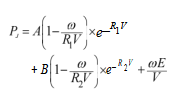

image.png                           (4)


考慮等熵下氣體壓力和體積的關係式為


Ps = A × e_R1V + B× e_R2V +C× V_(ω+1)        (5)


其中 A、 B、C、 R1、 R2、ω 為炸藥特性參數,image.png為爆炸後體積對爆炸前體積之比。 image.png

Ps 為壓力, E 為單位體積的爆炸能量。若炸藥為TNT ,根據 Dobratz & Crawford(1985) ,可得到式(11)炸藥參數與材料參數如表 2.1 與表 2.2。

水的特性由特定的狀態方程式來描述,工程上將較常應用到之壓力和溫度部分的實驗數據

加以迴歸分析,簡化成方便應用的狀態方程式,一般在分析水下爆炸問題中較常採用 Gruneisen迴歸式。根據 Chen 等(2006)的敘述 Gruneisen迴歸式如下:

image.png(6)

式中 PG 為壓力,V 為相對體積,ρ 為水的密度,


E 為單位體積內能。

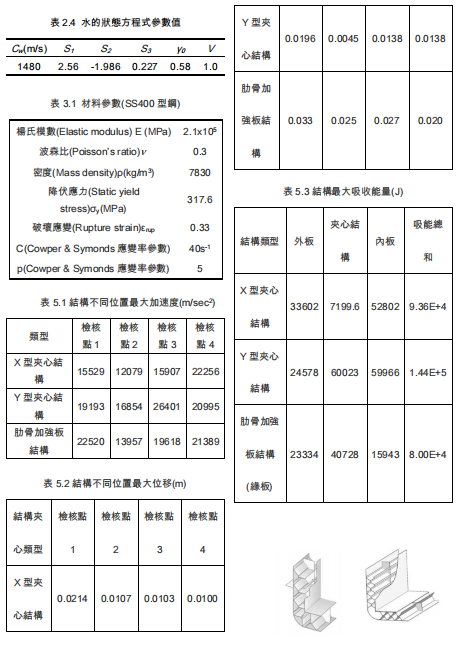
Cw 為水中聲速、 S1、 S2、 S3、α 和 γ0 為水的參數值,其數值如表 3.4。

2.3 爆炸強度指標

海軍 的規 範中 定義 龍骨 爆震 因子 (Keel Shock Factor, KSF)如下:

image.png

其中 α 為爆震波前進方向與重力方向的夾角, R為爆炸距離,W 為炸藥重量。


三、 研究模型


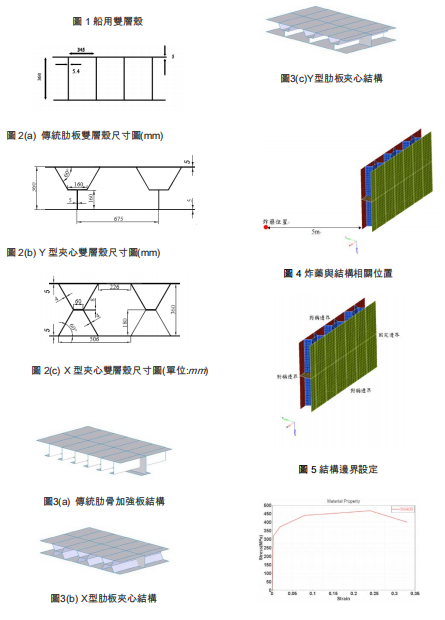
ISSC        2006         COLLISION       AND GROUNDING 委員會報告書中介紹,在可行抗撞雙層板結構上,常見的有傳統肋骨加強板型、 X 型夾心、Y 型夾心等結構,如圖 1。其中 YAO et al.(2006)在 Y 型舷側結構上有進一步的研究,對於 Y 型雙層殼的抗衝擊能力有所說明,因此本文目的為分析 X 型夾心結構、Y 型夾心結構及傳統肋骨加強 板型等三種 結構的分析 比較。從Klanac et al.(2005)中得到兩種非傳統型雙層殼結構的尺寸圖,圖 2a 至圖 2c。從 Klanac et al.中得到兩種非傳統型雙層殼結構的尺寸圖(圖 2)。

為了將整體的模型縮小化後,用來有限元素分析且可以做比較,因此將原結構設計成俱有近似慣性矩的 X 型夾心結構、Y 型夾心結構、傳統肋板夾心結構,此三種結構如圖 3(a)至圖 3(c)所示。因此尺寸並非原始大小從 Klanac et al.(2005)中得到兩種非傳統型雙層殼結構的尺寸圖。金屬三明治結構內部可為空氣或水,本章有限元分析時,此分析狀況為夾心內部為水。鋼板材料表 4.1所示。

3.1 應變率對材料特性的影響


材料在承受高速衝擊時,其應力-應變的關係會隨應變率的大小而呈非線性的變化。有關應變率對材料特性的影響,文獻上已經有許多不同的組成方程式(constitutive equations)被提出,許多文獻以材料之應力-應變關係的迴歸方式來表示組成方程式,為獲得其中未定的參數,需要設計特別的試驗,再將實驗結果作迴歸分析。應變率與 降 伏 強 度 關 係 一 般 常 用   Cowper   及Symonds(1957)提出的應變率估算式:

image.png

image.png

其中  為應變率,σ 09 為隨應變率而改變的動態降伏應力, σ 0 為靜態試驗的降伏應力(static yield stress) ,D 與 n 是待決定的參數。對於一般軟鋼,

Symonds(1967)  指出當 D=40.4 s_1 與 n=5 時,試驗結果和式(5)的預估值相當一致。

四、有限元素分析

目前美國海軍採用  KSF 作為水面艦艇爆震標準,本文分析炸藥藥量是以 KSF 定訂。炸藥與結構相關位置為圖 4 所示,炸藥位於外板結構中心前方 5  公尺處並由(7)式計算出  KSF  之值為0.198,  當 KSF 小於 0.2 船體所造成的破壞較輕微。邊界的部分一共有三個對稱邊界,上下側(Z軸方向)對稱。另外在隔艙板部分,結構前側對稱(X 方向) ,結構後側為固定邊界如圖 5 所示。三種結構採用全積分點板元素(type16) ,並有注意網格盡量正交,三角形元素避免使用,以免高估結構的強度,材料是本用 type24 ,此材料主要在描述材料性質為彈塑性體,除可描述材料在彈性

範圍內的變形外,也可以描述在塑性區的材料行為;且在最終材料破壞後,可依照最大破壞應變設定元素消失,其拉伸試驗應力應變曲線應變曲線放入分析模型中(圖 6) ,分析時需考慮應變慮的影響,才不致於低估結構的降伏強度而高估結構的動態反應,且分析需作拉伸試驗或者提供正確的應力-應變值;而塑性區內的材料性質描述,是依照材料真實塑性變形與相對應力值。

在分析過程的每個時步採用當時板變形之應變率,以計算當時的動態降伏應力。分析時步的選擇,本文分析之前,先分別嘗試時步為 0.5微秒與 1 微秒的暫態分析,確定兩者分析結果相當一致,本文中所有的暫態分析時步選用 1

微秒。

五、 分析 結果 討論

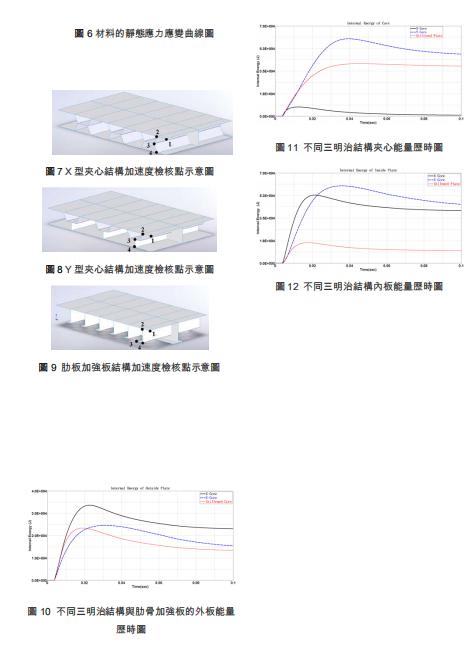
每個結構選取四個檢核點,其檢點點選取的目地為迎爆面及在結構部份有可有挫屈或塑性鉸發生的位置。為比較三種不同型態結構的加速度反應與位移量,選擇外板中心點(1)、內板中心點(2)、夾心結構前端外板(3)、夾心結構後端內板(4)  四個位置為檢核點。圖 7 至圖 9 為三種結構的檢核點示意圖。

5.1 加速度比較

不同型態三明治結構與肋骨加強板在不同位置的最大加速度如表 5.1 所示。檢核點一為外板中央離爆點為最近距離,核核點二為外面與中間心材交接處,第三檢核點在 X 型及 Y 型夾心的中間位置,第四檢核點為內板處,其距離外板為360mm  之相同位置。檢核點一的加速部為外板中央部分最大,其次為 Y 型夾心結構,最低為 X型夾心結構。檢核點二的加速部為外板與 Y 型夾心結構交接處部分最大,其次為 X 型夾心結構,最低為肋骨加強板結構。檢核點三的加速部為 Y型夾心結構中央部分最大,其次為肋骨加強板結構,最低為 X 型夾心結構。檢核點四的加速部為X 型夾心結構內板部分最大,其次為 X 型夾心結構,最低為肋骨加強板結構。由內板抗振動方面(檢核點四)Y 型夾心結構與是較好的,其次為 X型夾心結構,  再來為肋骨加強板結構。

5.2 位移量比較

不同型態三明治結構與肋骨加強板在不同位置的最大位移量如表 5.2 所示。檢核點一為外板中央離爆點為最近距離,核核點二為外面與中間心才交接處,第三檢核點在 X 型及 Y 型夾心的中間位置,第四檢核點為內板處,距離外板為360mm 之相同位置。

檢核點一為外板中央離爆點為最近距離,檢核點二為外面與中間心才交接處,第三檢核點在X 型及 Y 型夾心的中間位置,第四檢核點為內板處,距離外板為 360mm 之相同位置。檢核點 一的最大位移為肋骨加強板結構,其次為 X 型夾心結構,最低為 Y 型夾心結構。檢核點二的最大位移為外板與肋板交接處最大,其次為 X 型夾心結構,最低為肋骨加強板結構。檢核點三的最大位移為外板與肋板交接處最大,其次為 Y 型夾心結構,最低為 X 型夾心結構。檢核點四的最大位移為外板與肋板交接處最大,其次為 Y  型夾心結構,最低為 X 型夾心結構。由內板最大位移方面

(檢核點四)X 型夾心結構與是較好的,其次為 Y型夾心結構,  再來為肋骨加強板結構。檢核點一可看出肋骨加強結構無論是最大位移量及最終位移量遠大於其他結構,檢核點二可看出肋骨加強結構無論是最大位移量及最終位移量遠大於其他結構,X 與 Y 型夾心的最大位移量相同,但是最終位移量為 X 型大於 Y 型。檢核點四可看出肋骨加強結構無論是最大位移量及最終位移量遠大於其他結構,X 型的最大位移及最終位移量最小。

5.3  能量比較

將分析結果整理於表 5.3。三種結構型態外板部分總內能中,如果表示只計算外板結構, X型夾心結構的吸能效率較好,其次為 Y 型夾心結構,肋骨加強板結構吸能最少。內板部分為人員與機具接觸部分,其消能容量大小,顯示該結構具爆震緩 衝能力,由圖 10 到圖 12 可知結構整體吸收能量最高為 Y 型夾心結構吸能總合較多,其結構內板緩衝效果最佳。

六、  結論


本文探討水槽中以空氣為背壓的鋼板受水下爆震波衝擊的彈塑性動態反應。分別與文獻中實驗量測及數值分析進行比較,綜合本研究之結果可歸納下列結論:

1. 炸藥直接採用炸藥元素時,為了保持炸藥形

狀,炸藥與其鄰近水域的網格需作特別處理,需仔細規劃網格分佈。如炸藥與其相鄰水域網格畫分不當時,可能炸藥鄰近水域因爆炸氣體的急速膨脹而扭曲變形,而導致數值計算上的困難。本文比較採用炸藥元素模型與設定炸藥存在多物質空間的 ALE 網格模型,兩者分析結果相近,確定採用設定炸藥形狀、密度與體積存在於多物質空間模型的 FE-分析的精確性應可接受。

2. 當結構的應變尚在彈性範圍內時,應變率對材料特性的影響並不明顯。大應變率可明顯提高材料的動態降伏應力,因此在瞬間大變形的數值分析過程一定要將應變率的影響列入考慮,才不致於因低估降伏強度,而造成高估的結構動態反應。

3. 三明夾心結構的爆炸衝擊過程中,結構內板的加速度及位移,以 X 型夾心三明治結,對以抗爆震結構強度而言,X 型夾心三明治結構強度最佳。

4.  由於人員活動與機具安裝的位置皆位於船殼內板的部份,由內板抗振動方面(檢核點四)Y型夾心結構與是較好的,其次為 X 型夾心結構,  再來為肋骨加強板結構。

5. 當船殼結構在受到衝擊時,外板與夾心結構能吸收大部分的能量以抗爆震隔離加速度於內板,Y 型夾心三明治結構在此部份最佳。


參考文獻

[1]    Cole R. H., 1948, Underwaterexplosions, Dover, New York (1948) .

[2]   Cowper, G. R. and P. S. Symonds , 1957, Strain Hardening and Strain RateEffects in the Impact Loading ofCantilever Beams , Brown UniversityDivision of Applied Mathematics Report. No 28.

[3]    Dobratz, B.M., Crawford, P.C., 1985,LLNL Explosives Handbook. Lawrence Livermore National Laboratory.

[4]    Huang, H., 1970, An Exact Analysis of the Transient Interaction of AcousticPlane Waves with a Cylinder Elastic Shell, Journal of Applied Mechanics, pp.1091-1099.

[5]    Hung, C.F., Lin ,B.J., Hwang-Fuu J.J., Hsu, P.Y. ,2009,   Dynamic response ofcylindrical shell structures subjected tounderwater explosion, Ocean Engineering, vol.36, pp. 564-577.

[6]    Kwon, Y.W. and Cunningham, R.E.,1997, Comparison of USA-DYNA Finite Element Models for A Stiffened ShellSubject to Underwater Shock,  Computer and Structures, Vol.66, No . 1,pp.127-144.

[7]    LS-DYNA, 2006,  Keyword User’s Manual. Version 971, 2006, Livermore Software Technology Corporation.

[8]    Rajendran, R. and K. Narasimhan,2002b, Damage Prediction of Clamped Circular Plates Subjected to ContactUnderwater Explosion,  International J. of Impact Engineering, Vol. 25, pp.373-386.

[9]    Ramajeyathilagam, K., Vendhan, C.P., 2004, Deformation and rupture of thinrectangular plates subjected tounderwater shock,  International Journal of Impact Engineering, Vol.30,pp.699-719.

[10] Symonds, P. S., 1967, Survey of Methods of Analysis for Plastic Deformation of Structures under

Dynamic Loading, Brown University ”, Division of Engineering Report.

BU/NSRDC/1-67 .

[11] Woodruff, J.P. 1973, KOVEC user ’s manual, University of California, LLNL Rept. NWSC/WOL/TR.76. 116.

[12] 林武文 ,林澄貴 ,1983,  萬象水雷爆炸威力分析”,中山科學研究院十六組研究報告。

[13]  洪振發 ,余孟泉 ,呂岳峰 ,江立全 ,曲良寧 , 2001,  水下爆震類船型圓柱殼結構震顫分析 ,中國造船暨輪機工程學刊 ,第 20 卷 ,第2 期 ,pp.41-50 (2001) .

[14] 梁卓中 ,戴毓修 ,2001 ,以反應譜分析法探討船艦舵部之爆震反應 ,中國造船暨輪機工程學刊,第 20 卷 ,第 3 期 ,pp. 1-18.
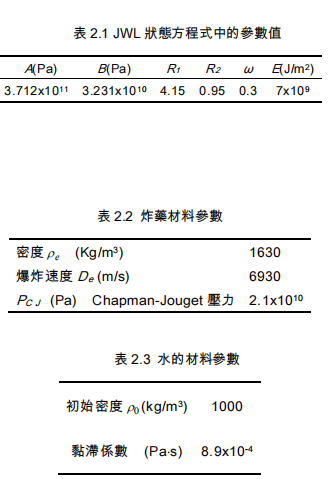
image.png

image.png

image.png

image.png

免责声明:


本页面/内容部分素材来源于互联网公 开 信 息,旨在传递更多信息,不代表本平台立场。

版权归原作者或机构所有,如涉及侵权,请通过平台联系我们,我们将在核实后第一时间处理。

本平台对转载内容的真实性、准确性不作任何保证,用户需自行判断并承担使用风险。


核能海洋ACTHyperMeshHyperView爆炸船舶
著作权归作者所有,欢迎分享,未经许可,不得转载
首次发布时间:2026-04-30
最近编辑:3月前
仿真支持爱好者
在仿真的路上越走越远
获赞 333粉丝 21文章 318课程 0
点赞
收藏
作者推荐

Design Compiler 用户指南:数字逻辑综合权威教程电子书 465页

DesignCompiler用户指南:数字逻辑综合权威教程(DesignCompilerUserGuide2010.03)摘要:本文是SynopsysDesignCompiler2010.03版本官方用户指南,系统讲解数字逻辑综合全流程。内容涵盖工具基础操作、设计文件准备、工艺库配置、设计环境与约束定义,详细说明时序/面积/功耗约束设置、层次化设计处理、编译策略选择与优化方法。指南重点介绍拓扑技术、ILM接口逻辑模型、多角多模式设计支持、UPF低功耗设计实现,以及时序违例修复、布局布线协同优化等高级功能。全书结合命令语法、实操脚本与典型案例,覆盖从RTL读入、综合优化、约束传导到结果输出的完整流程,为数字IC前端工程师提供权威、标准化的综合设计方法与工程实践指导。DesignCompiler®UserGuideVersionD-2010.03-SP2,June2010CopyrightNoticeandProprietaryInformationCopyright◎2010Synopsys,Inc.Allrightsreserved.ThissoftwareanddocumentationcontainconfidentialandproprietaryinformationthatisthepropertyofSynopsys,Inc.Thesoftwareanddocumentationarefurnishedunderalicenseagreementandmaybeusedorcopiedonlyinaccordancewiththetermsofthelicenseagreement.Nopartofthesoftwareanddocumentationmaybereproduced,transmitted,ortranslated,inanyformorbyanymeans,electronic,mechanical,manual,optical,orotherwise,withoutpriorwrittenpermissionofSynopsys,Inc.,orasexpresslyprovidedbythelicenseagreement.RighttoCopyDocumentationThelicenseagreementwithSynopsyspermitslicenseetomakecopiesofthedocumentationforitsinternaluseonly.Eachcopyshallincludeallcopyrights,trademarks,servicemarks,andproprietaryrightsnotices,ifany.Licenseemustassignsequentialnumberstoallcopies.Thesecopiesshallcontainthefollowinglegendonthecoverpage:“ThisdocumentisduplicatedwiththepermissionofSynopsys,Inc.,fortheexclusiveuseofanditsemployees.Thisiscopynumber.”DestinationControlStatementAlltechnicaldatacontainedinthispublicationissubjecttotheexportcontrollawsoftheUnitedStatesofAmerica.DisclosuretonationalsofothercountriescontrarytoUnitedStateslawisprohibited.Itisthereader’sresponsibilitytodeterminetheapplicableregulationsandtocomplywiththem.DisclaimerSYNOPSYS,INC.,ANDITSLICENSORSMAKENOWARRANTYOFANYKIND,EXPRESSORIMPLIED,WITHREGARDTOTHISMATERIAL,INCLUDING,BUTNOTLIMITEDTO,THEIMPLIEDWARRANTIESOFMERCHANTABILITYANDFITNESSFORAPARTICULARPURPOSE.RegisteredTrademarks(®)Synopsys,AMPS,Astro,BehaviorExtractingSynthesisTechnology,Cadabra,CATS,Certify,CHIPit,DesignCompiler,DesignWare,Formality,HAPS,HDLAnalyst,HSIM,HSPICE,Identify,Leda,MAST,ModelTools,NanoSim,OpenVera,PathMill,PhysicalCompiler,PrimeTime,SCOPE,SimplyBetterResults,SiVL,SNUG,SolvNet,Syndicated,Synplicity,Synplify,SynplifyPro,SynthesisConstraintsOptimizationEnvironment,TetraMAX,theSynplicitylogo,UMRBus,VCS,Vera,andYIELDirectorareregisteredtrademarksofSynopsys,Inc.Trademarks(™)AFGen,Apollo,Astro-Rail,Astro-Xtalk,Aurora,AvanWaves,BEST,Columbia,Columbia-CE,Confirma,Cosmos,CosmosLE,CosmosScope,CRITIC,CustomExplorer,CustomSim,DCExpert,DCProfessional,DCUltra,DesignAnalyzer,DesignVision,DesignerHDL,DesignPower,DFTMAX,DirectSiliconAccess,Discovery,Eclypse,Encore,EPIC,Galaxy,GalaxyCustomDesigner,HANEX,HapsTrak,HDLCompiler,Hercules,HierarchicalOptimizationTechnology,High-performanceASICPrototypingSystem,HSIMplus,i-VirtualStepper,IICE,in-Sync,iN-Tandem,Jupiter,Jupiter-DP,JupiterXT,JupiterXT-ASIC,Liberty,Libra-Passport,LibraryCompiler,Magellan,Mars,Mars-Rail,Mars-Xtalk,Milkyway,ModelSource,ModuleCompiler,MultiPoint,PhysicalAnalyst,Planet,Planet-PL,Polaris,PowerCompiler,Raphael,Saturn,Scirocco,Scirocco-i,Star-RCXT,Star-SimXT,StarRC,SystemCompiler,SystemDesigner,Taurus,TotalRecall,TSUPREM-4,VCSExpress,VCSi,VHDLCompiler,VirSim,andVMCaretrademarksofSynopsys,Inc.ServiceMarks(SM)MAP-in,SVPCafé,andTAP-inareservicemarksofSynopsys,Inc.SystemCisatrademarkoftheOpenSystemCInitiativeandisusedunderlicense.ARMandAMBAareregisteredtrademarksofARMLimited.SaberisaregisteredtrademarkofSabreMarkLimitedPartnershipandisusedunderlicense.Allotherproductorcompanynamesmaybetrademarksoftheirrespectiveowners.PrefaceThisprefaceincludesthefollowingsections:•What’sNewinThisRelease•AboutThisManual•CustomerSupportWhat’sNewinThisReleaseInformationaboutnewfeatures,enhancements,andchanges,alongwithknownproblemsandlimitationsandresolvedSynopsysTechnicalActionRequests(STARs),isavailableintheDesignCompilerReleaseNotesinSolvNet.ToseetheDesignCompilerReleaseNotes,1.GotothereleasenotespageonSolvNetlocatedatthefollowingaddress:https://solvnet.synopsys.com/ReleaseNotesIfprompted,enteryourusernameandpassword.IfyoudonothaveaSynopsysusernameandpassword,followtheinstructionstoregisterwithSolvNet.2.SelectDesignCompiler,thenselectareleaseinthelistthatappearsatthebottom.AboutThisManualTheDesignCompilerUserGuideprovidesbasicsynthesisinformationforusersoftheDesignCompilertools.Thismanualdescribessynthesisconceptsandcommands,andpresentsexamplesforbasicsynthesisstrategies.Thismanualdoesnotcoverasynchronousdesign,I/Opadsynthesis,testsynthesis,simulation,physicaldesigntechniques(suchasfloorplanningorplaceandroute),orback-annotationofphysicaldesigninformation.TheinformationpresentedheresupplementstheSynopsyssynthesisreferencemanualsbutdoesnotreplacethem.SeeotherSynopsysdocumentationfordetailsabouttopicsnotcoveredinthismanual.ThismanualsupportsversionB-2008.09oftheSynopsyssynthesistools,whethertheyarerunningundertheUNIXoperatingsystemortheLinuxoperatingsystem.ThemaintextofthismanualdescribesUNIXoperation.AudienceThismanualisintendedforlogicdesignersandengineerswhousetheSynopsyssynthesistoolswiththeVHDLorVeriloghardwaredescriptionlanguage(HDL).Beforeusingthismanual,youshouldbefamiliarwiththefollowingtopics:•High-leveldesigntechniques•ASICdesignprinciples•Timinganalysisprinciples•FunctionalpartitioningtechniquesRelatedPublicationsForadditionalinformationaboutDesignCompiler,seeDocumentationontheWeb,whichisavailablethroughSolvNetatthefollowingaddress:https://solvnet.synopsys.com/DocsOnWebYoumightalsowanttorefertothedocumentationforthefollowingrelatedSynopsysproducts:•AutomatedChipSynthesis•DesignBudgeting•DesignVision•DesignWarecomponents•DFTCompiler•PrimeTime•PowerCompiler•HDLCompilerAlsoseethefollowingrelateddocuments:•UsingTclWithSynopsysTools•SynthesisMasterIndexConventionsThefollowingconventionsareusedinSynopsysdocumentation.CustomerSupportCustomersupportisavailablethroughSolvNetonlinecustomersupportandthroughcontactingtheSynopsysTechnicalSupportCenter.AccessingSolvNetSolvNetincludesanelectronicknowledgebaseoftechnicalarticlesandanswerstofrequentlyaskedquestionsaboutSynopsystools.SolvNetalsogivesyouaccesstoawiderangeofSynopsysonlineservicesincludingsoftwaredownloads,documentationontheWeb,and“EnteraCalltotheSupportCenter.”ToaccessSolvNet,gototheSolvNetWebpageatthefollowingaddress:https://solvnet.synopsys.comIfprompted,enteryourusernameandpassword.IfyoudonothaveaSynopsysusernameandpassword,followtheinstructionstoregisterwithSolvNet.IfyouneedhelpusingSolvNet,clickHELPinthetop-rightmenubarorinthefooter.ContactingtheSynopsysTechnicalSupportCenterIfyouhaveproblems,questions,orsuggestions,youcancontacttheSynopsysTechnicalSupportCenterinthefollowingways:•OpenacalltoyourlocalsupportcenterfromtheWebbygoingtohttp://solvnet.synopsys.com(Synopsysusernameandpasswordrequired),andthenclicking“EnteraCalltotheSupportCenter.”•Sendane-mailmessagetoyourlocalsupportcenter.•E-mailsupport_center@synopsys.comfromwithinNorthAmerica.•Findotherlocalsupportcentere-mailaddressesathttp://www.synopsys.com/Support/GlobalSupportCenters/Pages•Telephoneyourlocalsupportcenter.•Call(800)245-8005fromwithinthecontinentalUnitedStates.•Call(650)584-4200fromCanada.•Findotherlocalsupportcentertelephonenumbersathttp://www.synopsys.com/Support/GlobalSupportCenters/Pages1IntroductiontoDesignCompilerTheDesignCompilertoolisthecoreoftheSynopsyssynthesisproducts.DesignCompileroptimizesdesignstoprovidethesmallestandfastestlogicalrepresentationofagivenfunction.ItcomprisestoolsthatsynthesizeyourHDLdesignsintooptimizedtechnology-dependent,gate-leveldesigns.Itsupportsawiderangeofflatandhierarchicaldesignstylesandcanoptimizebothcombinationalandsequentialdesignsforspeed,area,andpower.Thischapterincludesthefollowingsections:•DesignCompilerandtheDesignFlow•DesignCompilerFamilyDesignCompilerandtheDesignFlowFigure1-1showsasimplifiedoverviewofhowDesignCompilerfitsintothedesignflow.Figure1-1DesignCompilerandtheDesignFlowYouuseDesignCompilerforlogicsynthesis,whichistheprocessofconvertingadesigndescriptionwritteninahardwaredescriptionlanguagesuchasVerilogorVHDLintoanoptimizedgate-levelnetlistmappedtoaspecifictechnologylibrary.Thestepsinthesynthesisprocessareasfollows:1.TheinputdesignfilesforDesignCompilerareoftenwrittenusingahardwaredescriptionlanguage(HDL)suchasVerilogorVHDL.2.DesignCompilerusestechnologylibraries,syntheticorDesignWarelibraries,andsymbollibrariestoimplementsynthesisandtodisplaysynthesisresultsgraphically.Duringthesynthesisprocess,DesignCompilertranslatestheHDLdescriptiontocomponentsextractedfromthegenerictechnology(GTECH)libraryandDesignWarelibrary.TheGTECHlibraryconsistsofbasiclogicgatesandflip-flops.TheDesignWarelibrarycontainsmorecomplexcellssuchasaddersandcomparators.BoththeGTECHandDesignWarelibrariesaretechnologyindependent,thatis,theyarenotmappedtoaspecifictechnologylibrary.DesignCompilerusesthesymbollibrarytogeneratethedesignschematic.3.AftertranslatingtheHDLdescriptiontogates,DesignCompileroptimizesandmapsthedesigntoaspecifictechnologylibrary,knownasthetargetlibrary.Theprocessisconstraintdriven.Constraintsarethedesigner’sspecificationoftimingandenvironmentalrestrictionsunderwhichsynthesisistobeperformed.4.Afterthedesignisoptimized,itisreadyfortestsynthesis.Testsynthesisistheprocessbywhichdesignerscanintegratetestlogicintoadesignduringlogicsynthesis.Testsynthesisenablesdesignerstoensurethatadesignistestableandresolveanytestissuesearlyinthedesigncycle.Theresultofthelogicsynthesisprocessisanoptimizedgate-levelnetlist,whichisalistofcircuitelementsandtheirinterconnections.5.Aftertestsynthesis,thedesignisreadyfortheplaceandroutetools,whichplaceandinterconnectcellsinthedesign.Basedonthephysicalrouting,thedesignercanback-annotatethedesignwithactualinterconnectdelays;DesignCompilercanthenresynthesizethedesignformoreaccuratetiminganalysis.DesignCompilerFamilySynopsysprovidesanintegratedRTLsynthesissolution.UsingDesignCompilertools,youcan•Producefast,area-efficientASICdesignsbyemployinguser-specifiedgate-array,FPGA,orstandard-celllibraries•Translatedesignsfromonetechnologytoanother•Exploredesigntradeoffsinvolvingdesignconstraintssuchastiming,area,andpowerundervariousloading,temperature,andvoltageconditions•Synthesizeandoptimizefinitestatemachines•Integratenetlistinputsandnetlistorschematicoutputsintothird-partyenvironmentswhilestillsupportingdelayinformationandplaceandrouteconstraints•CreateandpartitionhierarchicalschematicsautomaticallyDCExpertAtthecoreoftheSynopsys’RTLsynthesissolutionistheDCExpert.DCExpertisappliedtohigh-performanceASICandICdesigns.DCExpertprovidesthefollowingfeatures:•Hierarchicalcompile(topdownorbottomup)•Fullandincrementalcompiletechniques•Sequentialoptimizationforcomplexflip-flopsandlatches•Timeborrowingforlatch-baseddesigns•Timinganalysis•Bufferbalancing(withinhierarchicalblocks)•Command-lineinterfaceandgraphicaluserinterface•Budgeting,theprocessofallocatingtimingandenvironmentconstraintsamongblocksinadesign•Automatedchipsynthesis,asetofDesignCompilercommandsthatfullyautomatethepartitioning,budgeting,anddistributedsynthesisflowforlargedesignsDCUltraTheDCUltratoolisappliedtohigh-performancedeepsubmicronASICandICdesigns,wheremaximumcontrolovertheoptimizationprocessisrequired.InadditiontotheDCExpertcapabilities,DCUltraprovidesthefollowingfeatures:•Additionalhigh-effortdelayoptimizationalgorithms•Advancedarithmeticoptimization•Integrateddatapathpartitioningandsynthesiscapabilities•Finitestatemachine(FSM)optimization•Advancedcriticalpathresynthesis•Registerretiming,theprocessbywhichthetoolmovesregistersthroughcombinationalgatestoimprovetiming•Supportforadvancedcellmodeling,thatis,thecell-degradationdesignrule•AdvancedtiminganalysisHDLCompilerToolsTheHDLcompilerreadsHDLfilesandperformstranslationandarchitecturaloptimizationofthedesigns.FormoreinformationabouttheHDLCompilertools,seetheHDLCompilerdocumentation.DesignWareLibraryADesignWarelibraryisacollectionofreusablecircuit-designbuildingblocks(components)thataretightlyintegratedintotheSynopsyssynthesisenvironment.Duringsynthesis,DesignCompilerselectstherightcomponentwiththebestspeedandareaoptimizationfromtheDesignWareLibrary.Formoreinformation,seetheDesignWareLibrarydocumentation.DFTCompilerTheDFTCompilertoolistheSynopsystestsynthesissolution.DFTCompilerprovidesintegrateddesign-for-testcapabilities,includingconstraint-drivenscaninsertionduringcompile.TheDFTCompilertoolisappliedtohigh-performanceASICandICdesignsthatutilizescantesttechniques.Formoreinformation,seetheDFTCompilerdocumentation.PowerCompilerThePowerCompilertooloffersacompletemethodologyforpower,includinganalyzingandoptimizingdesignsforstaticanddynamicpowerconsumption.Formoreinformationaboutthesepowercapabilities,seethePowerCompilerUserGuide.DesignVisionTheDesignVisiontoolisagraphicaluserinterface(GUI)totheSynopsyssynthesisenvironmentandananalysistoolforviewingandanalyzingdesignsatthegenerictechnology(GTECH)levelandgatelevel.DesignVisionprovidesmenusanddialogboxesforimplementingDesignCompilercommands.Italsoprovidesgraphicaldisplays,suchasdesignschematics.Formoreinformation,seetheDesignVisionUserGuideandDesignVisionHelp.更多内容见附件免责声明:本页面/内容部分素材来源于互联网公开信息,旨在传递更多信息,不代表本平台立场。版权归原作者或机构所有,如涉及侵权,请通过平台联系我们,我们将在核实后第一时间处理。本平台对转载内容的真实性、准确性不作任何保证,用户需自行判断并承担使用风险。
有附件
未登录
还没有评论
课程
培训
服务
行家
VIP会员 学习计划 福利任务
下载APP
联系我们
帮助与反馈