人工智能增强型滑坡堆积预测:一种融合离散元法与生成对抗网络的全新框架

论文题目
AI-enhanced landslide deposition prediction: a novel framework integrating discrete element method and generative adversarial networks
a School of Civil Engineering and Architecture, Anhui University of Science and Technology, Huainan 232001, China
研究内容
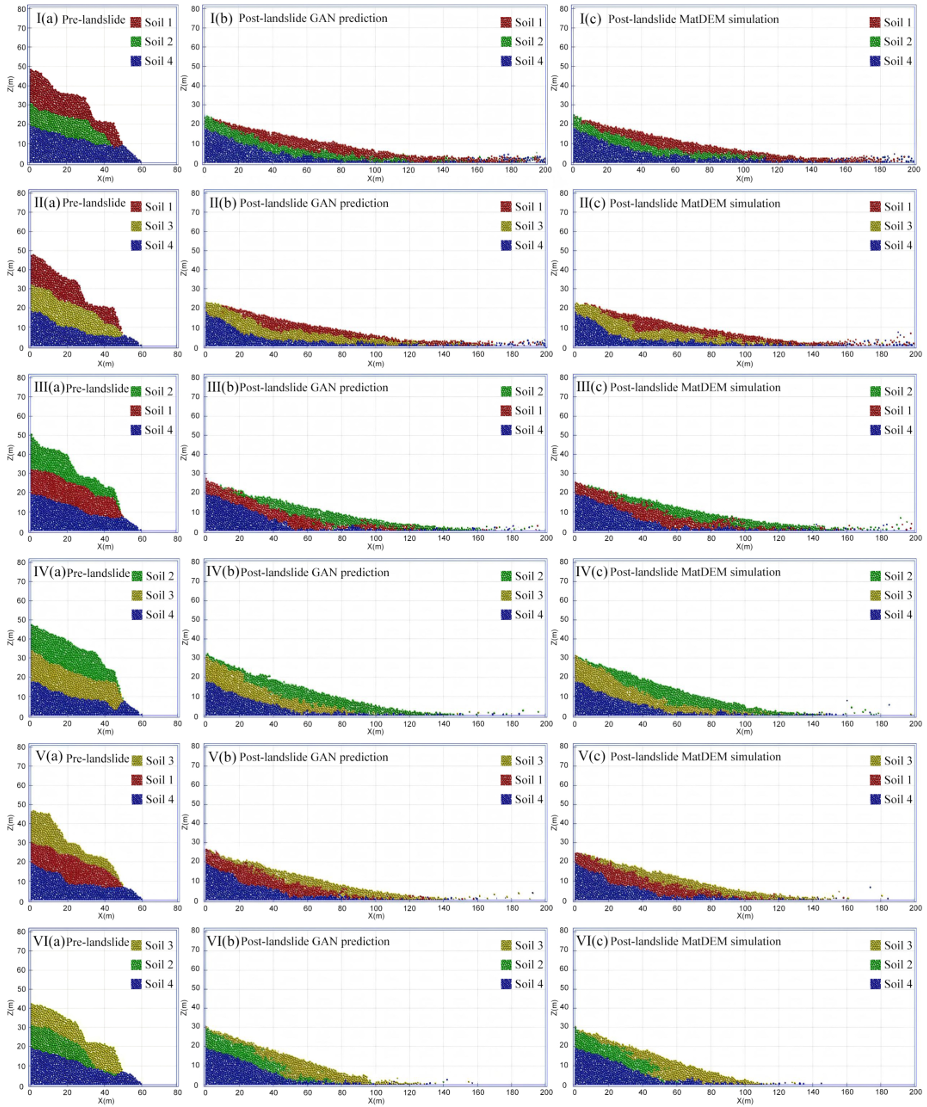
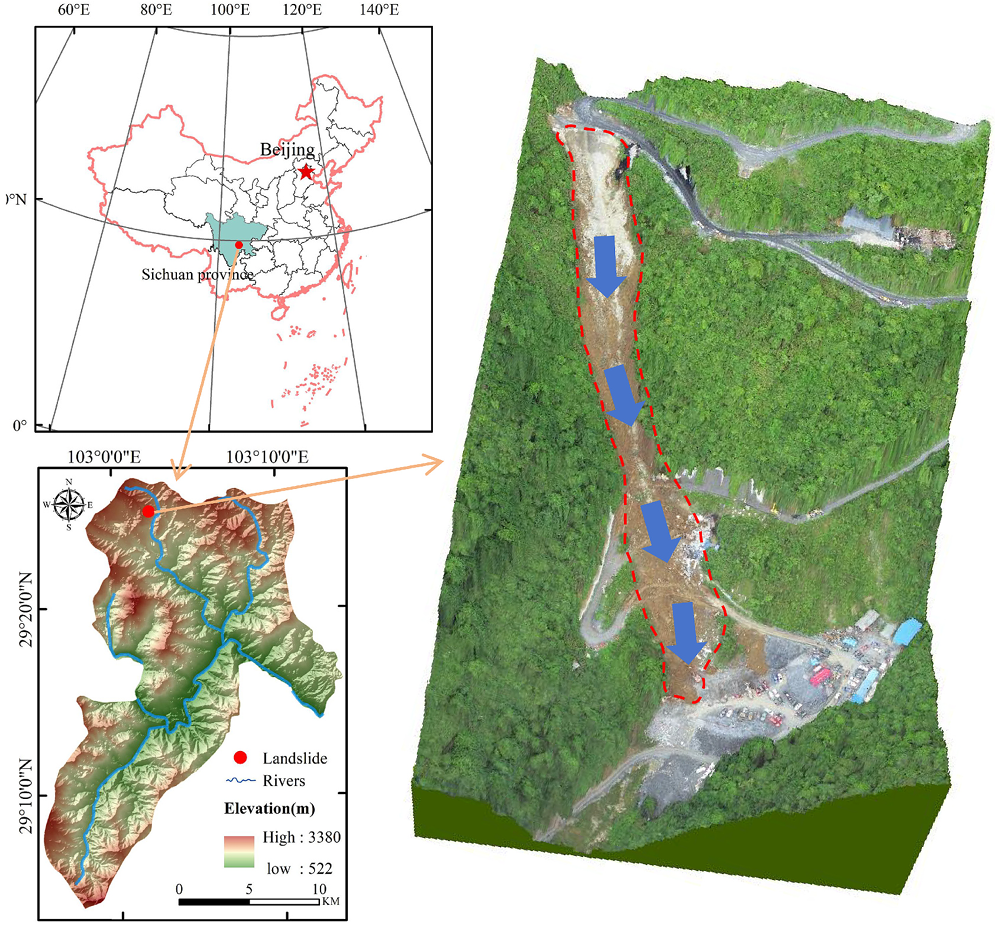
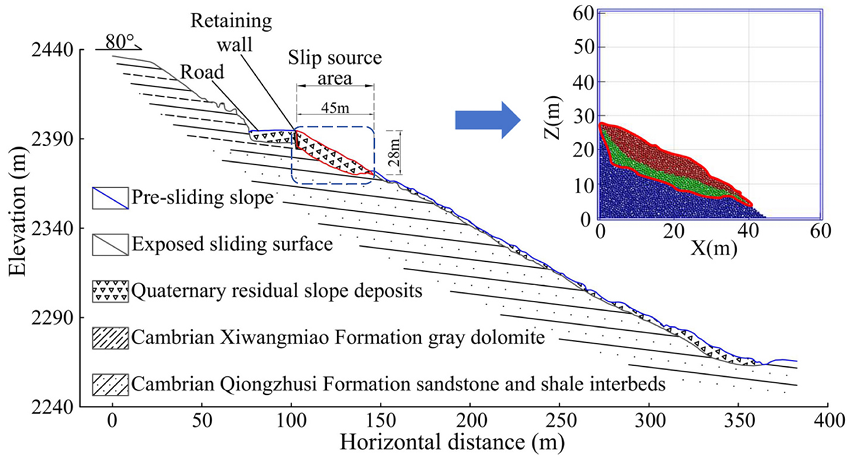
Abstract: Landslides are highly destructive natural disasters that often result in significant casualties, substantial economic losses, and considerable social impacts. Due to the complex evolution of landslides, traditional prediction methods face challenges, particularly in obtaining accurate geotechnical parameters and managing the high computational costs associated with numerical simulations. As a result, it is difficult to achieve efficient pre dictions of landslide deposition. In the era of artificial intelligence (AI), the development of deep learning has opened new avenues for predicting landslide displacements and deposition patterns. This study transforms landslide deposition prediction into an image generation problem, constructing an innovative framework that integrates discrete element numerical simulation with Generative Adversarial Networks (GANs). First, by developing an automatic algorithm for generating landslide profiles, a database of images containing multiple physical attributes is constructed using the discrete element method. This step establishes a color-physical attribute mapping model to visualize the physical properties in the landslide morphology. Next, the GAN model is trained using images taken before and after the landslide event. This study utilizes two models: the basic GAN-Pix2Pix model and the improved GAN-Pix2Pix-PS model. The pre-landslide image is used as input, while the post-landslide image serves as the output, predicting the deposition following the landslide. Finally, the results of the GAN models are validated by comparing them with outputs from numerical simulation software and actual landslide case studies. The results show that: (1) The performance of GAN-Pix2Pix-PS, which increases perceptual and semantic loss, outperforms the basic GAN-Pix2Pix model in terms of prediction accuracy; (2) The predicted landslide images generated by GAN-Pix2Pix-PS are evaluated using six quantitative metrics and validated against two representative real-world cases, achieving displacement prediction accuracies averaging above 90%; (3) GANs demonstrate high efficiency and accuracy in landslide deposition prediction, validating the feasibility of big data-driven models as a replacement for traditional numerical simulations. This approach holds promise for applications in major engineering disaster prediction and emergency response decision support.
Keywords: Deep Learning;Generative adversarial networks;MatDEM;Deposition morphology;Landslide prediction
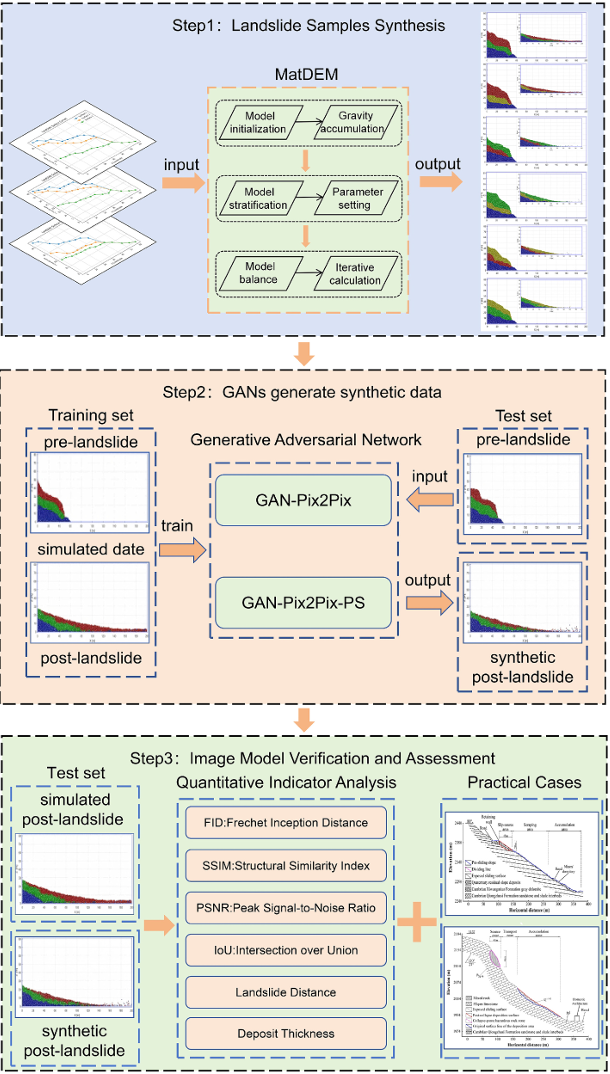
Fig.1 Methodological framework for landslide deposit prediction.
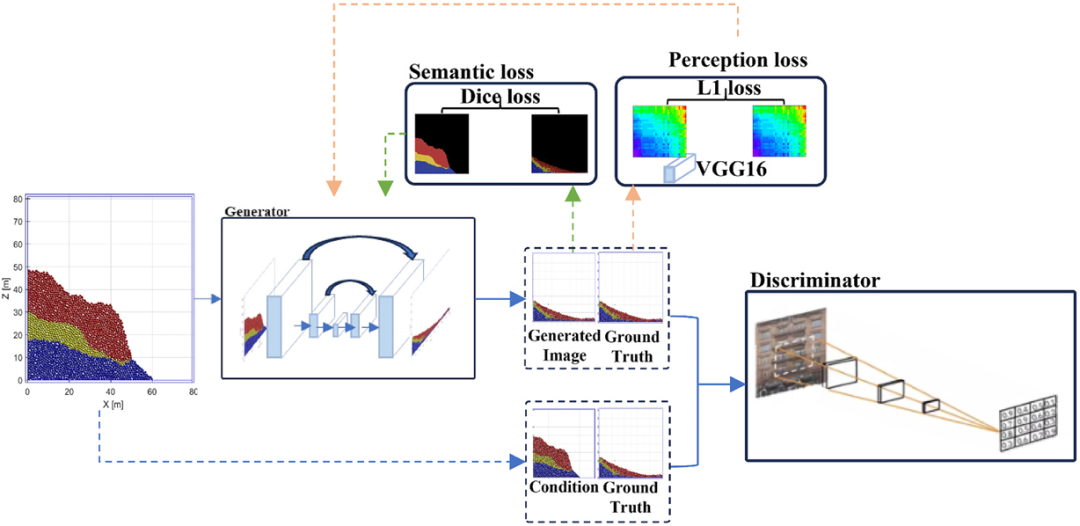
Fig.3 Model Structure of the Improved GAN-Pix2Pix-PS Network.
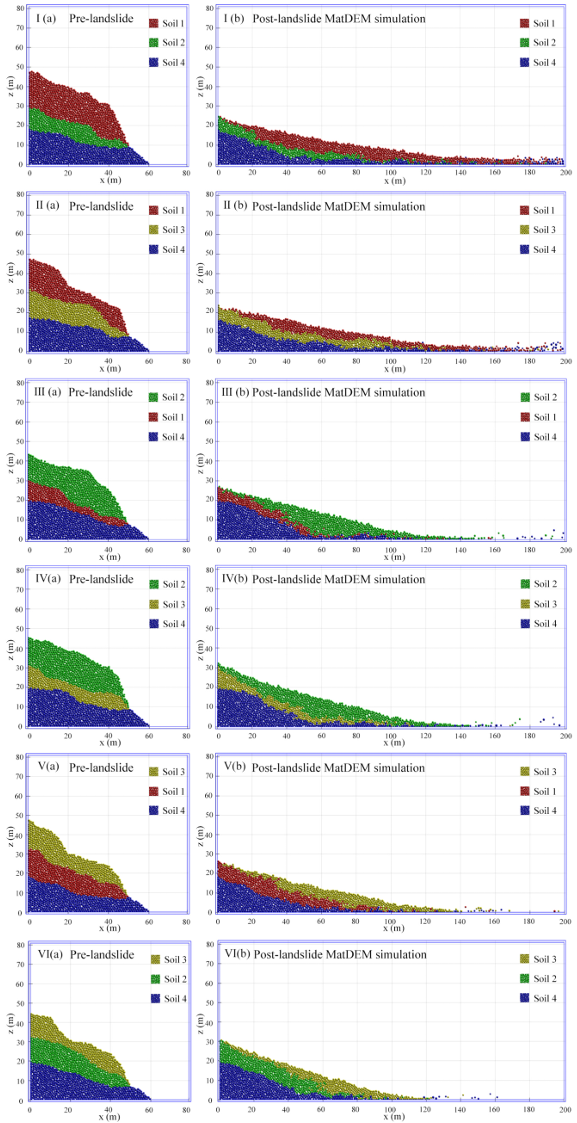
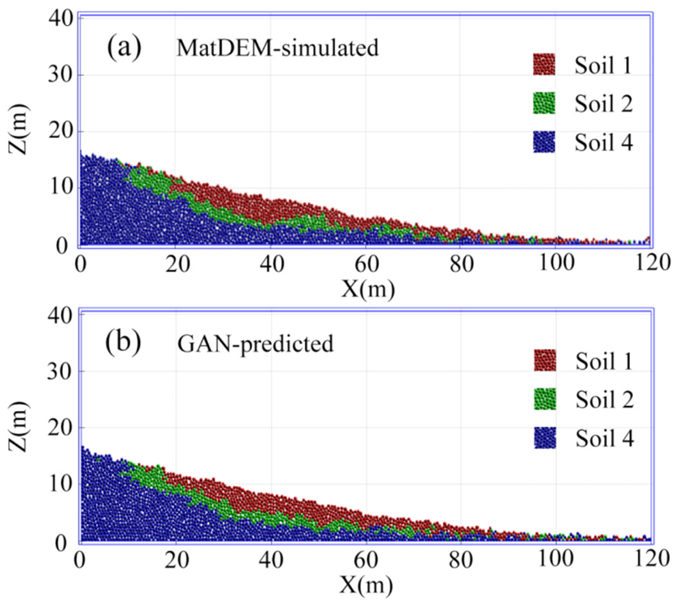
Fig.3 MatDEM-Based Benchmark Landslide Simulation Database. (a) Pre-landslide deposit morphology by numerical simulation; (b) Post-landslide Mat DEM simulation.
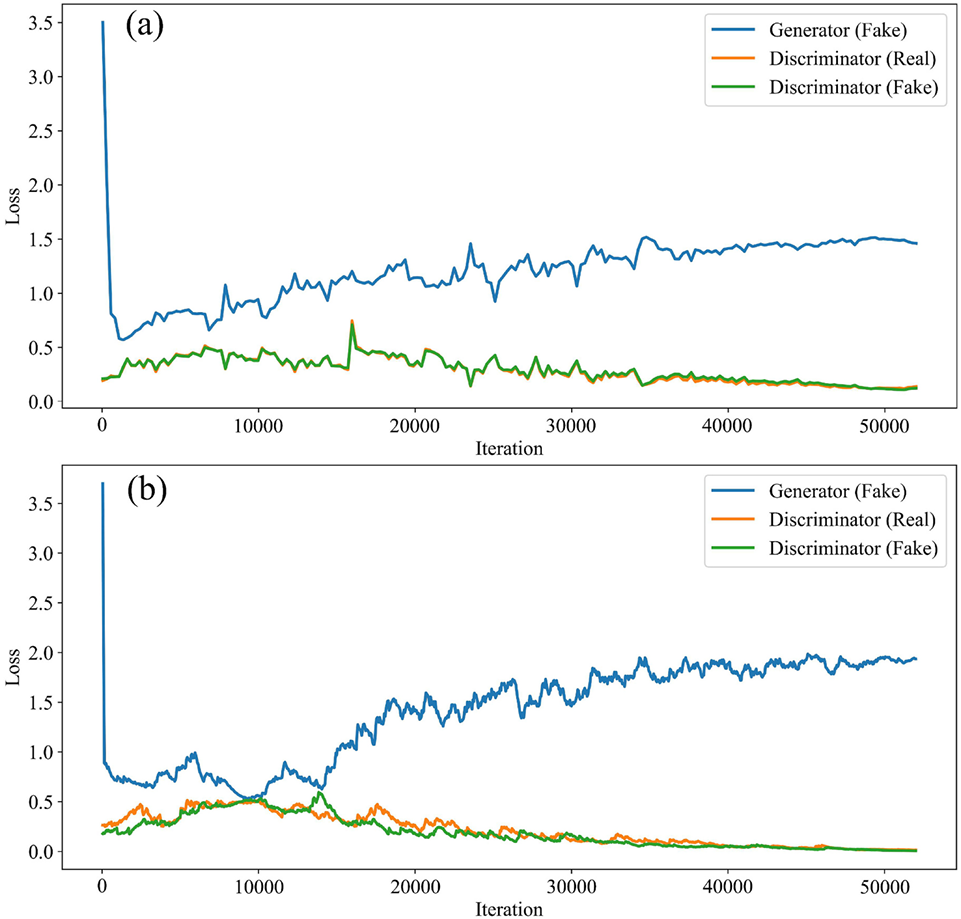
Fig.5 Training loss curves of the GAN models: (a) baseline model; (b) improved model.
了解详情
Cui Y, Gong C, Zheng J, et al. AI-enhanced landslide deposition prediction: a novel framework integrating discrete element method and generative adversarial networks[J]. Engineering Geology, 2026: 108752.